

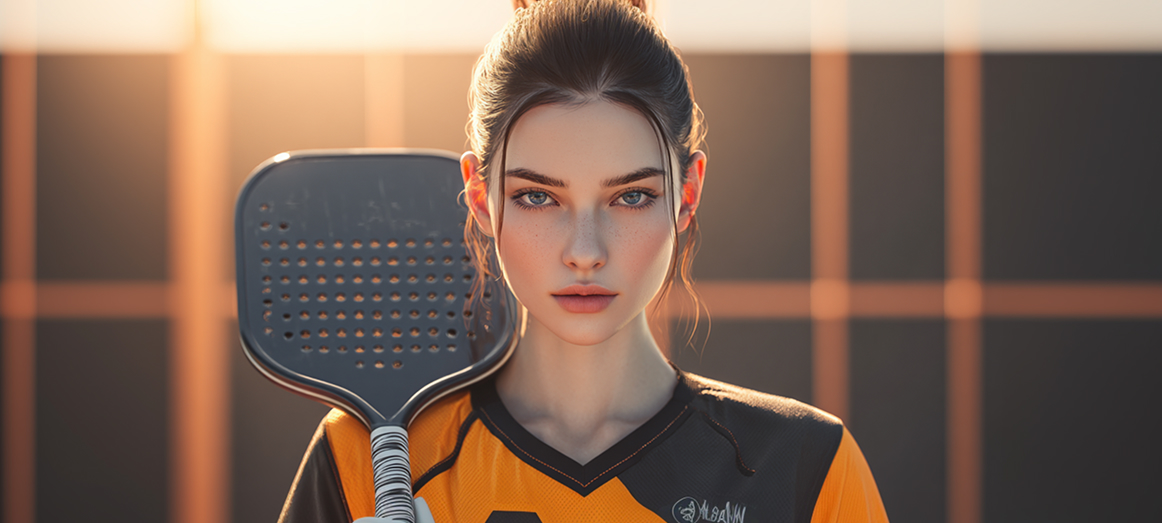
Selecting the right pickleball paddle can feel overwhelming—especially with so many shapes, sizes, and materials available. But the good news is that the perfect paddle isn’t about choosing the “best” option on the market—it’s about choosing the best option for YOU. The ideal paddle will complement your play style, enhance your strengths, and help you improve faster and play more comfortably.
Pickleball is not just a sport; it’s a journey of precision, timing, and smart decision-making. Every rally teaches you something new — from reading the opponent’s play style to adjusting your strategy mid-game. Staying disciplined, practicing consistently, and embracing each point with intention will help you improve faster and play with more confidence.
Beyond physical technique, mindset plays a big role in pickleball. Building patience, staying calm under pressure, and learning to anticipate shots can transform your performance. Small improvements — like refining your serve, improving your reaction time, or staying light on your feet — make a huge difference over time.
Pickleball is a game of strategy, focus, and adaptability. When players combine technique with smart positioning and mental discipline, even small improvements can lead to big wins
Mastering the third shot drop requires patience, repetition, and feel. Players must learn to relax their grip, soften their wrist, and focus on paddle angle rather than swinging speed. Many practice drills involve repetition from the baseline, training players to judge arc, distance, trajectory, and landing spot. With time, the shot becomes instinctive—a natural extension of strategic play rather than a risky gamble.
The Mental Game Behind the Shot
Beyond mechanics, the third shot drop is a psychological message: we’re playing smart, not frantic. By controlling tempo and setting a calm rhythm, it disrupts aggressive opponents who thrive on pace and chaos. It forces rallies into patient, strategic exchanges and favors players capable of reading patterns, anticipating responses, and adapting shots on the fly, here are key areas to focus on:
- Turning Defense Into Offense
- Placement Over Power
- Master the dink, serve, and third-shot drop
- Build mental resilience & on-court awareness
- Improve communication & teamwork (for doubles)

Great breakdown! This guide really helped me understand how paddle weight and grip size affect my control. Can’t wait to pick the perfect paddle now!
Loved this article! I never realized how much the core material changes the feel of the game. Super helpful for beginners like me.
Fantastic tips! Your comparison of power vs. control paddles made my choice so much easier. Thanks for simplifying the process!