

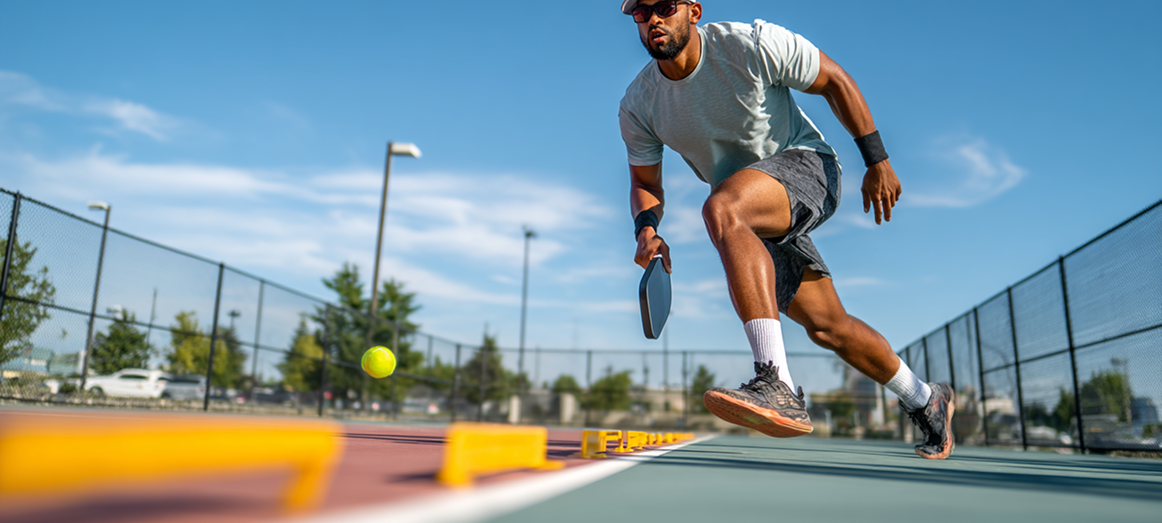
Pickleball continues to grow rapidly, attracting players of all ages and skill levels—but with increased play comes an increased risk of injury. Many common pickleball injuries such as strained calves, Achilles tendon issues, wrist sprains, and shoulder pain are usually preventable with the right approach. Injury prevention not only protects your physical health but also ensures long-term consistency and enjoyment of the game. By incorporating smart habits on and off the court, players can develop a stronger foundation for optimal movement and performance.
Jumping straight into a match without warming up is one of the fastest ways to get injured. A proper warm-up increases blood flow, loosens muscle fibers, and prepares your body for fast-paced movements. Dynamic stretches—such as leg swings, torso rotations, arm circles, and light jogging—help activate stabilizing muscle groups. Spending just 5–10 minutes warming up can significantly decrease risk of muscle pulls, joint pain, and sudden strains.
Good pickleball technique is a key component of avoiding injuries. Players often try to swing too hard to generate power, which can lead to elbow and shoulder strain. Instead, focusing on controlled strokes, proper paddle grip, and good positioning promotes natural form and reduces physical stress. Understanding footwork also plays a role—moving with intention rather than lunging makes your movement safer and more efficient. Mastering technique not only prevents injuries but also enhances overall performance and shot consistency.
Pickleball is a game of strategy, focus, and adaptability. When players combine technique with smart positioning and mental discipline, even small improvements can lead to big wins
Overuse injuries commonly occur when players push through pain or fatigue. Pickleball may be addictive and fun, but rest days are essential for recovery. If you feel tightness, discomfort, or recurring soreness, it’s a sign your body needs attention. Taking breaks, stretching, icing when needed, and having recovery periods help keep muscles flexible and healthy. Long-term sustainability of play depends on respecting your limits rather than ignoring them.
Strength and Conditioning for Longevity
Building supportive muscle strength is a long-term injury prevention approach. Exercises that strengthen the calves, thighs, core, and shoulder stabilizers create a more durable body for rapid movements and paddle swings. Adding simple routines such as squats, planks, band rotations, and calf raises helps maintain joint stability and athletic balance. Conditioning your body off-court is just as important as practicing your game on-court, here are key areas to focus on:
- Turning Defense Into Offense
- Placement Over Power
- Master the dink, serve, and third-shot drop
- Build mental resilience & on-court awareness
- Improve communication & teamwork (for doubles)

Great tips! Pickleball is so much more enjoyable when we stay injury-free. Warming up properly really makes a huge difference!
Loved this! Simple stretches and proper technique go a long way in preventing common pickleball injuries. Very useful info!
Fantastic breakdown—especially the reminder to listen to your body. These prevention tips will help players stay on the court longer!
Such a helpful read! Strength training and good footwear are game-changers for avoiding injuries in pickleball. Thanks for sharing!