

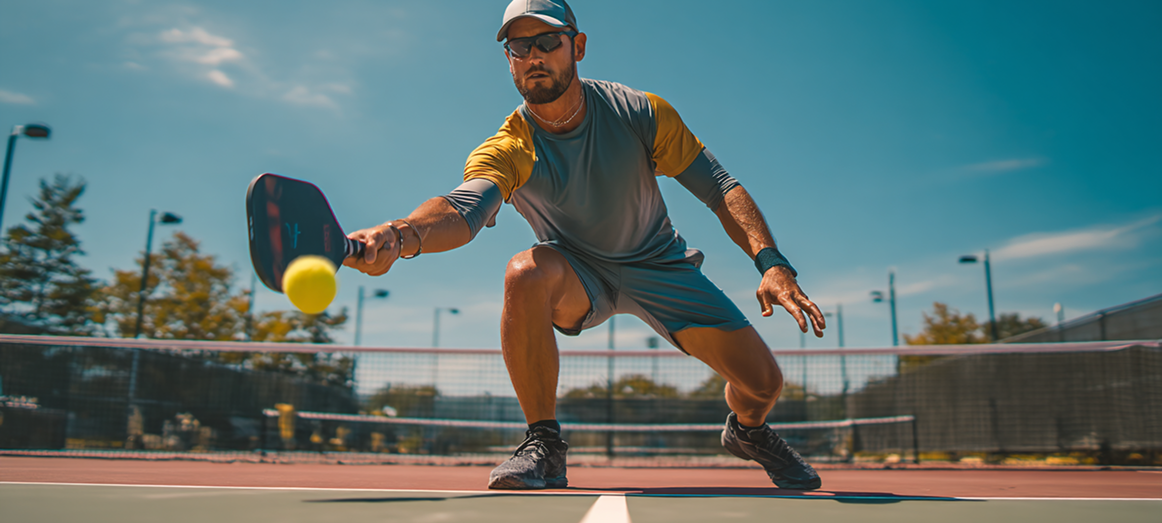
Before picking a paddle, the most important step is honestly assessing your current experience and playing style. Beginners often benefit from paddles that offer a larger sweet spot and increased control, helping them develop accuracy. Intermediate players should look for a balance between power and finesse, allowing them to sharpen strategic play. Advanced players typically prefer paddles that provide explosive shot capability along with heightened responsiveness, enabling them to place shots precisely and dominate faster rallies.
Pickleball paddles are typically made from graphite, fiberglass, or carbon-fiber composites, each offering unique benefits. Graphite paddles are lightweight and responsive, ideal for players working on soft touch and delicate placements near the net. Fiberglass paddles generally generate more power, making them suitable for players who enjoy aggressive shots. Carbon fiber and polymer-core paddles combine strong durability with a balanced feel, giving players a reliable option that evolves with their improving technique.
The paddle’s weight significantly influences gameplay. Lightweight paddles (6.8–7.4 oz) offer more control and less strain on your elbow and shoulder—ideal for long, controlled rallies. Mid-weight paddles (7.5–8.2 oz) provide balanced force and maneuverability. Heavier paddles (8.3+ oz) are powerful and match well with strong, offensive players. Grip size matters too: a smaller grip offers more wrist action and spin, while a larger grip provides stability and reduces fatigue during hard hits.
Pickleball is a game of strategy, focus, and adaptability. When players combine technique with smart positioning and mental discipline, even small improvements can lead to big wins
Shape, Sweet Spot & Paddle Balance
The design and shape of a paddle can either enhance precision or maximize hitting power. Standard-shape paddles provide a bigger sweet spot, perfect for learning and refining tactile shots. Elongated paddles offer increased reach and produce more drive, but require better ball-tracking skills. Some paddles also feature edge-guard protection that preserves the paddle’s lifespan and helps maintain consistent performance over time, especially for players who frequently play outdoors, here are key areas to focus on:
- Develop strong footwork & court positioning
- Focus on shot control, grip, and paddle technique
- Master the dink, serve, and third-shot drop
- Build mental resilience & on-court awareness
- Improve communication & teamwork (for doubles)

This guide makes it so much easier to pick a paddle that actually matches my skill level. Super helpful for beginners like me!
The way you explained paddle weight and materials was so clear—now I finally know what to look for when upgrading my gear.
Very informative! I’ve been playing casually for a while, and this helped me understand which paddle features matter most as I improve.